The Strait of Hormuz has become a focal point of geopolitical tension, drawing attention from U.S., Israeli, and Western officials who view the situation as critical. The strait, which connects the Persian Gulf to the Gulf of Oman, is a vital waterway for global oil shipments, with approximately 20% of the world's oil passing through it. Recent developments have heightened concerns regarding maritime security and the potential for conflict in the region. Given its strategic importance, the Trump administration has prioritized diplomatic and military strategies to ensure safe passage through the strait, responding to threats that could disrupt the free flow of oil and escalate tensions with Iran.
In recent statements, officials have underscored the necessity of collective international efforts to maintain security in the Strait of Hormuz. The U.S. has been vocal about the need for a coalition of nations to safeguard shipping routes from potential aggressions, particularly from Iranian forces, which have been accused of harassing vessels and disrupting maritime operations. The collaboration among Western allies, including Israel, is seen as essential to counteract any threats that may arise from hostile actions. This approach emphasizes the importance of unity among nations that rely on the strait for their energy needs and the broader implications of stability in the Middle East.
Moreover, the situation has prompted discussions about the broader implications of U.S. foreign policy in the region. The Trump administration's focus on the Strait of Hormuz is reflective of its broader strategy to confront Iranian influence and assert U.S. interests in the Middle East. This strategy includes re-imposing sanctions on Iran and strengthening ties with regional allies, particularly those that share concerns about Iranian aggression. The administration has argued that a firm stance is necessary to deter Iran from further provocations, while also ensuring that vital trade routes remain open and secure for all nations involved.
As the situation unfolds, many countries are closely monitoring the developments in the Strait of Hormuz, recognizing that the outcome could have far-reaching consequences for global trade, energy prices, and regional stability. The interplay between military readiness and diplomatic negotiations will be critical in determining whether tensions escalate or de-escalate in the coming weeks. The global community is urged to pay attention to the developments in this key maritime passage, as the actions taken by the U.S. and its allies will undoubtedly shape the future of not only the region but also the international economic landscape.
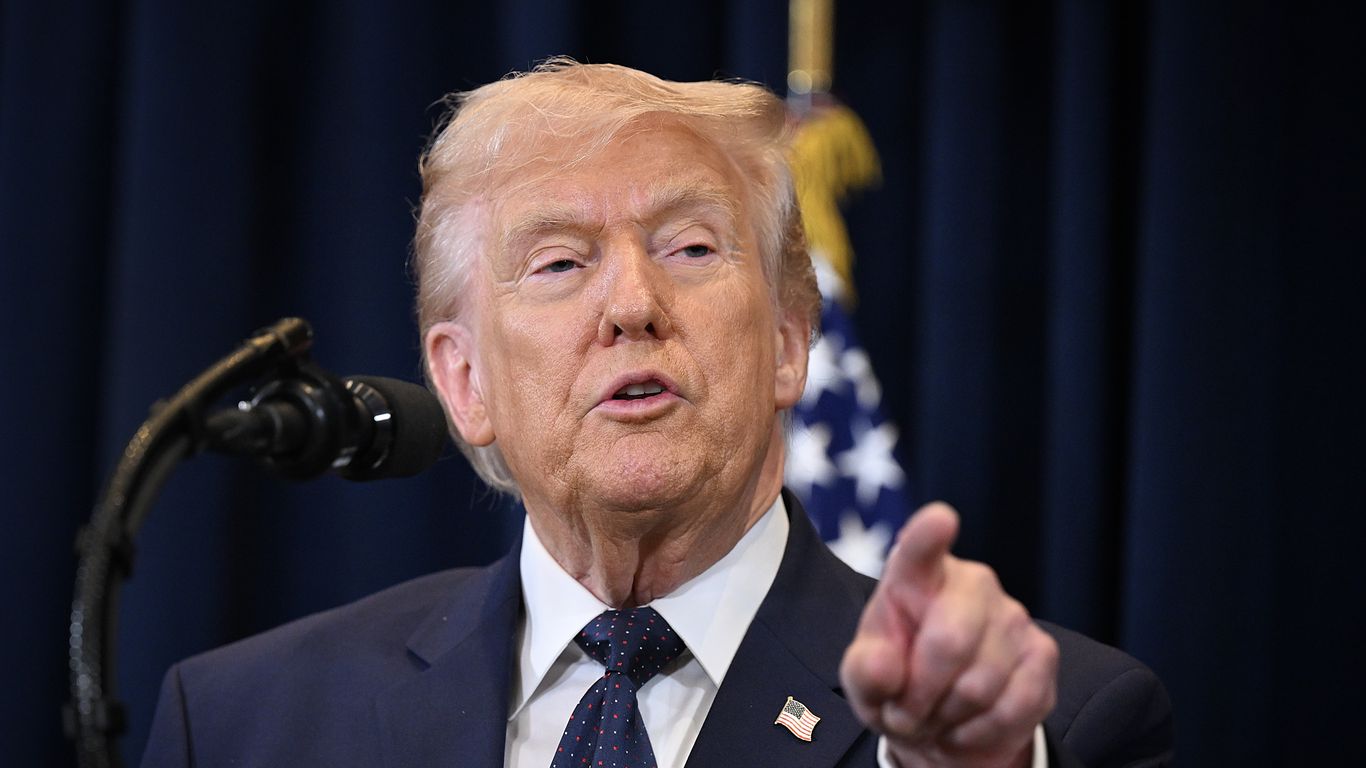
Trump claims international coalition will send war ships to reopen the strait of Hormuz - Axios