A potential U.S. military operation in Iran is anticipated to be a large-scale endeavor that could unfold over several weeks, contrasting sharply with the recent, targeted operation in Venezuela. Analysts suggest that any military action in Iran would require a comprehensive strategy due to the country's vast size, complex terrain, and the presence of a well-established military infrastructure. Unlike the precise and limited nature of the Venezuela operation, which aimed at a specific target with minimal engagement, a campaign in Iran would involve extensive troop deployments, airstrikes, and the coordination of multiple military branches. This shift towards full-fledged warfare would necessitate substantial logistical planning and resources, potentially drawing the U.S. into a protracted conflict reminiscent of the Iraq War.
The geopolitical implications of a military operation in Iran are significant. Iran's strategic position in the Middle East, its relationships with neighboring countries, and its influence over various non-state actors present a myriad of challenges. A military campaign could escalate tensions not only in Iran but throughout the region, potentially destabilizing neighboring countries and provoking retaliatory actions from Iranian allies. Observers warn that U.S. forces could find themselves engaged in asymmetric warfare, facing guerrilla tactics and insurgency actions from Iranian military units and affiliated militias. Furthermore, the backlash from the Iranian populace could lead to heightened anti-American sentiment, complicating the U.S.'s long-term strategic interests in the region.
The potential for civilian casualties and humanitarian crises also looms large in any discussion of military action against Iran. Given the dense urban centers and the proximity of military installations to civilian populations, any extended conflict could lead to significant loss of life and displacement of innocent civilians. Humanitarian organizations have expressed concern that a prolonged military engagement could exacerbate existing crises in the region, leading to further instability and suffering. Such a scenario would not only challenge the moral and ethical considerations of military intervention but could also provoke widespread international condemnation and complicate U.S. relations with its allies.
In addition to these concerns, the domestic implications of a military operation in Iran could be profound. With ongoing debates about military spending, national security, and foreign policy in the U.S., an extensive military campaign may reignite discussions about the role of the U.S. in international conflicts. Public opinion could sway dramatically depending on the operation's success or failure, impacting political landscapes and influencing upcoming elections. Lawmakers would face pressure to address the ramifications of military action, including potential costs, both human and financial, while also considering the long-term impact on U.S. foreign policy. As such, any decision regarding military engagement in Iran would require careful deliberation and a clear understanding of both immediate and far-reaching consequences.
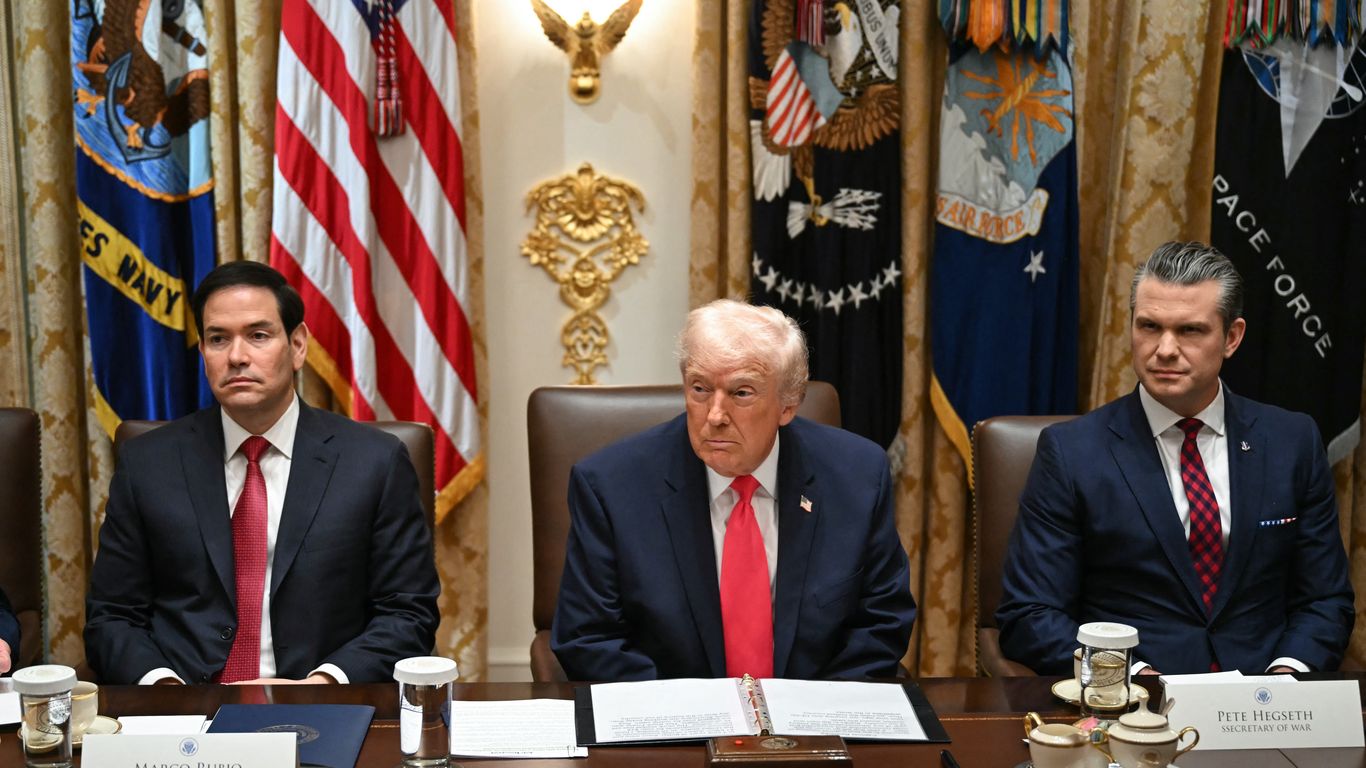
Trump meets with top Iran advisers as war threat grows - Axios