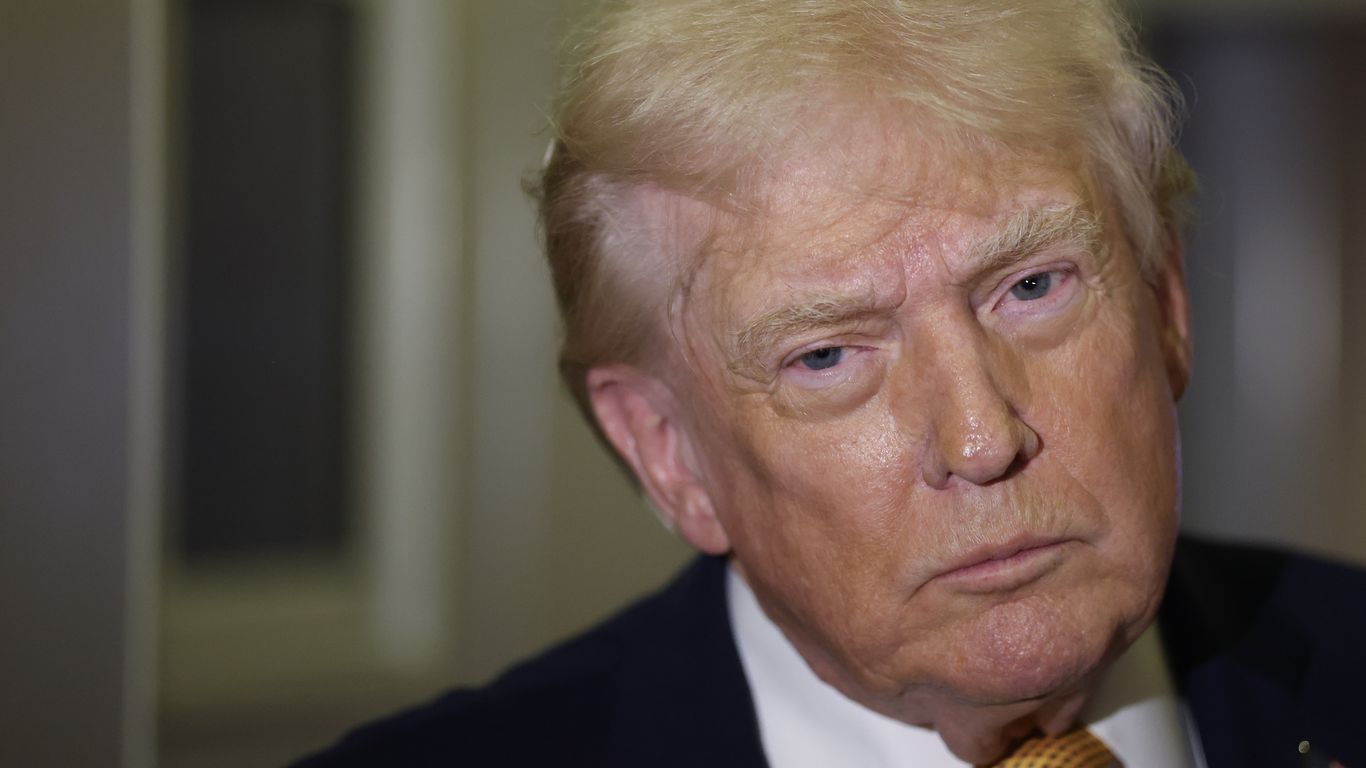
In a recent interview with NBC, former President Donald Trump made significant statements regarding the political situation in Venezuela, asserting that the country will not hold an election in the upcoming 30 days. This declaration underscores the ongoing instability in Venezuela, which has been grappling with economic turmoil and political unrest for several years. The absence of a credible electoral process has been a point of contention in international discussions, with many nations calling for free and fair elections as a pathway to restoring democracy in the country. Trump's comments reflect the broader concern that without substantial intervention, the prospects for political reform in Venezuela appear bleak.
Trump emphasized the necessity of U.S. involvement in what he described as "fixing the country" before any elections could be held. His remarks suggest that he views American support as crucial for stabilizing Venezuela's political landscape, which has been dominated by the regime of Nicolás Maduro. The former president's stance aligns with the views of various U.S. officials and policymakers who believe that external assistance, including economic sanctions and diplomatic pressure, is essential to facilitate a transition of power. However, the effectiveness of such interventions remains a topic of debate, with critics arguing that foreign involvement can complicate domestic politics and exacerbate tensions.
The situation in Venezuela has drawn attention from various international actors, including neighboring countries and international organizations, all of whom are concerned about the humanitarian crisis that has unfolded amid the political chaos. Millions of Venezuelans have fled the country in search of better living conditions, leading to a refugee crisis that has strained resources in surrounding nations. Trump's assertion that elections cannot proceed until the U.S. plays an active role highlights the complexity of the situation, as it intertwines domestic governance issues with international relations and humanitarian concerns.
Ultimately, Trump's statements reflect a broader narrative about the importance of U.S. foreign policy in addressing global crises. The ongoing situation in Venezuela serves as a test case for how the U.S. can influence political change in a country facing authoritarian rule and economic collapse. As the international community continues to monitor developments in Venezuela, the question remains whether external interventions can effectively pave the way for democratic elections and restore stability. The coming weeks and months will be critical in determining the future of Venezuela and the role that external powers, particularly the United States, will play in shaping that future.
Trump suggests extended U.S. stay in Venezuela for oil operations - Axios