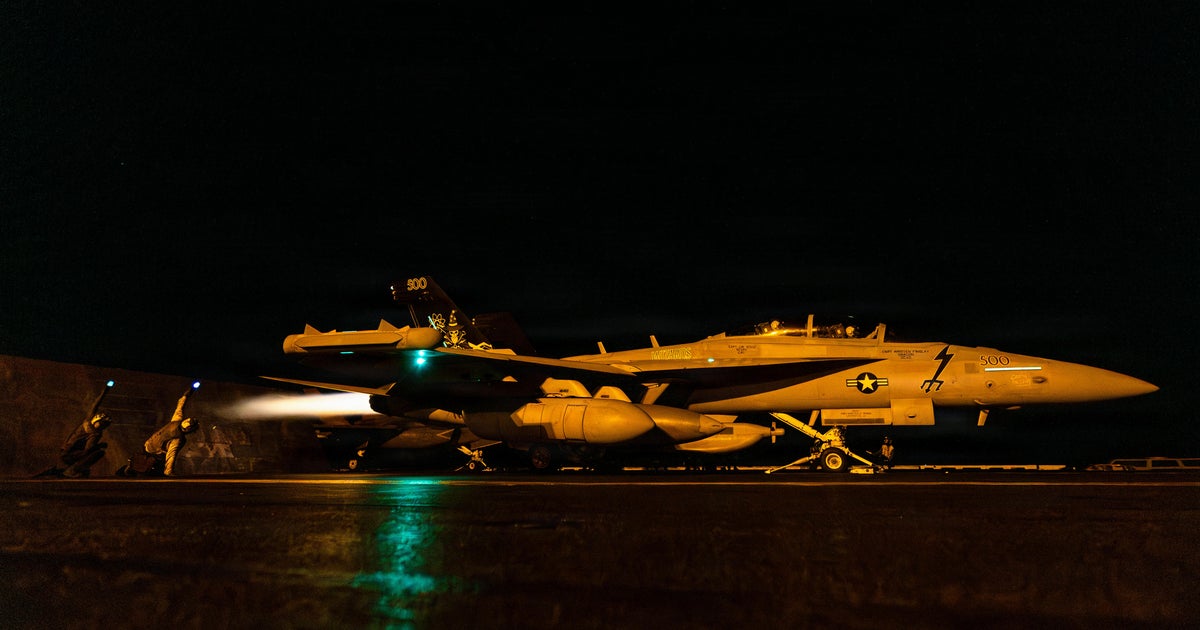
Washington — The United States and Israel are reportedly coordinating a significant military strategy aimed at crippling Iran's energy infrastructure. According to multiple sources cited by CBS News, this operation is anticipated to be one of the most severe bombing campaigns undertaken against Iranian targets in recent history. The focus on energy infrastructure is particularly critical, as it forms the backbone of Iran's economy, which relies heavily on oil and gas exports. By targeting these facilities, the U.S. and Israel aim not only to diminish Iran's immediate military capabilities but also to undermine its economic stability, constraining its ability to finance regional activities that are perceived as hostile to U.S. interests and those of its allies.
The potential for such an extensive bombing campaign raises significant geopolitical concerns. Analysts suggest that any large-scale military action against Iran could escalate tensions in the already volatile Middle East. Iran has repeatedly demonstrated its ability to retaliate against perceived aggressions, often employing asymmetric warfare tactics that could include cyberattacks, missile strikes, or proxy engagements through allied groups in Lebanon, Syria, and Iraq. This interconnected web of alliances complicates the situation further, as the repercussions of a U.S.-Israeli operation could extend beyond Iran's borders, possibly igniting wider regional conflicts and drawing in other nations with vested interests in the area.
Furthermore, the timing of this planned military action appears to be influenced by various factors. The ongoing nuclear negotiations with Iran, which have stalled amid mutual distrust and accusations, remain a critical backdrop. The U.S. and its allies are concerned that Iran's nuclear advancements could lead to the development of weapons that would threaten both regional and global security. By contemplating a military option, the U.S. and Israel may be signaling their determination to prevent Iran from reaching a point of no return in its nuclear ambitions. However, military action could be seen by some as a last resort, indicating that diplomatic avenues have been exhausted or deemed ineffective.
In light of these developments, the international community is closely monitoring the situation. Calls for restraint and diplomatic solutions are emerging from various quarters, emphasizing the importance of dialogue in addressing the longstanding tensions between Iran and the West. The prospect of a large-scale bombing campaign could have far-reaching implications, not only for U.S.-Iran relations but also for global oil markets and energy security. As the situation unfolds, it remains to be seen how various stakeholders will respond, and whether a pathway to de-escalation can be established amidst the looming threat of military confrontation.
U.S., Israel preparing to bombard energy-related targets in Iran, sources say - CBS News