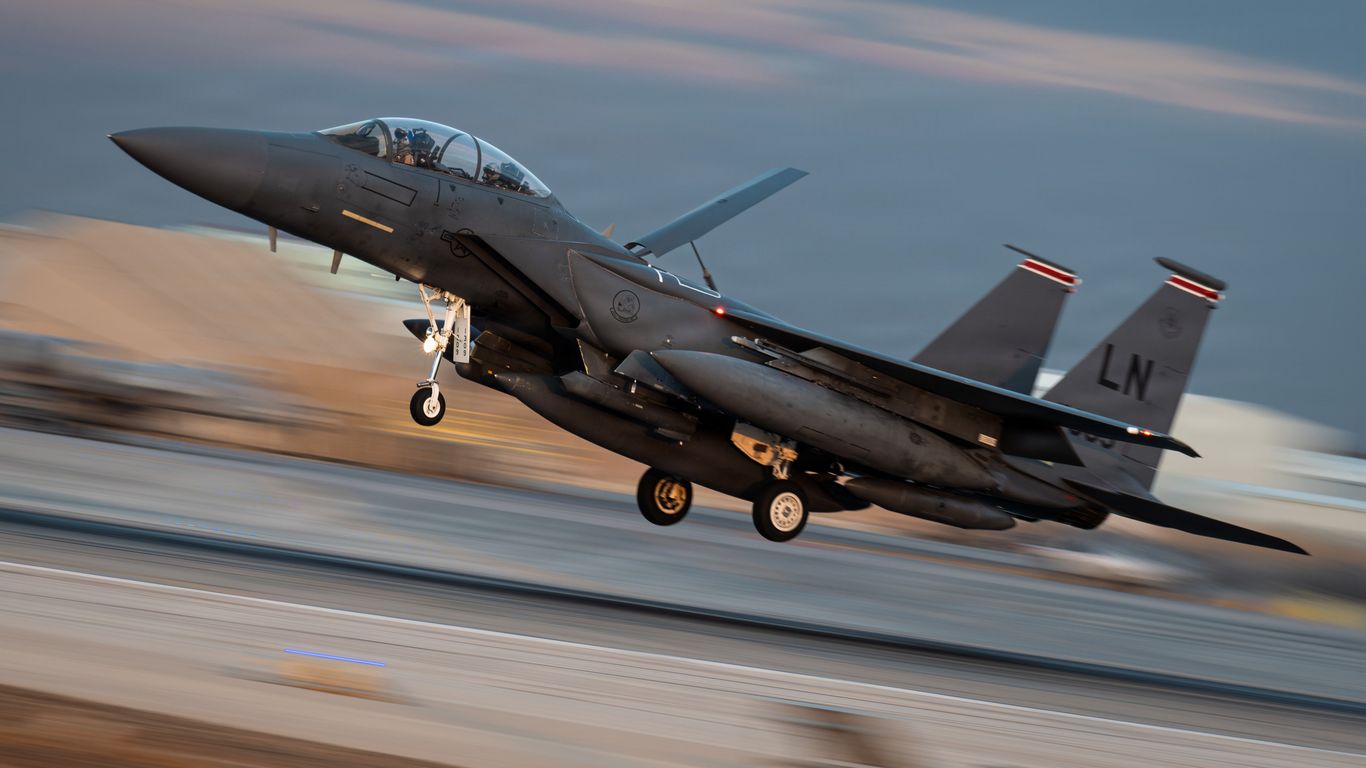
The diverse array of aircraft utilized in modern military operations underscores the multifaceted nature of aerial warfare. Among these, bombers, fighters, refueling tankers, helicopters, and unmanned systems each play a crucial role in ensuring mission success. Bombers, such as the B-52 Stratofortress and the B-2 Spirit, are designed to deliver heavy payloads over long distances, striking strategic targets with precision. Meanwhile, fighter jets like the F-35 Lightning II and the F-22 Raptor are essential for air superiority, engaging enemy aircraft and providing cover for ground operations. This combination of capabilities allows military forces to project power and maintain a decisive edge in various combat scenarios.
In his remarks, Caine highlighted specific aircraft that have become emblematic of their respective missions. He name-dropped the A-10 Warthog, renowned for its ability to provide close air support to ground troops with its powerful GAU-8 Avenger cannon and precision-guided munitions. The A-10's rugged design and ability to operate from austere airfields make it a favorite among ground forces in need of immediate air assistance. Similarly, the HC-130 Combat King II is a vital asset for search and rescue operations, equipped with advanced avionics and refueling capabilities that allow it to support long-duration missions. These aircraft exemplify how specialized platforms are tailored to meet the unique demands of modern warfare.
Helicopters, such as the HH-60 Jolly Green II, further illustrate the evolution of aerial support in military operations. Designed for combat search and rescue missions, the Jolly Green II is equipped with advanced technology that enhances its capability to locate and extract personnel in hostile environments. Its versatility allows it to operate effectively in various scenarios, from providing immediate medical evacuation to supporting direct action missions. This adaptability is crucial in modern conflicts, where the rapid response to emerging threats can determine the outcome of engagements. The integration of helicopters into the broader operational framework enhances the military's ability to respond swiftly to evolving battlefield dynamics.
As unmanned systems continue to advance, they play an increasingly significant role in military operations. Drones, such as the MQ-9 Reaper, are transforming how engagements are conducted, offering reconnaissance and strike capabilities without risking pilot lives. These systems allow for persistent surveillance and precision strikes, proving invaluable in counterterrorism efforts and intelligence-gathering missions. The combination of manned and unmanned aircraft creates a comprehensive airpower strategy that enhances situational awareness and operational effectiveness. By leveraging the strengths of each platform, military forces can achieve a level of synergy that maximizes their overall effectiveness on the battlefield, adapting to the complexities of contemporary warfare while minimizing risks to personnel.
U.S. launched "air armada" to rescue F-15 crew in Iran - Axios