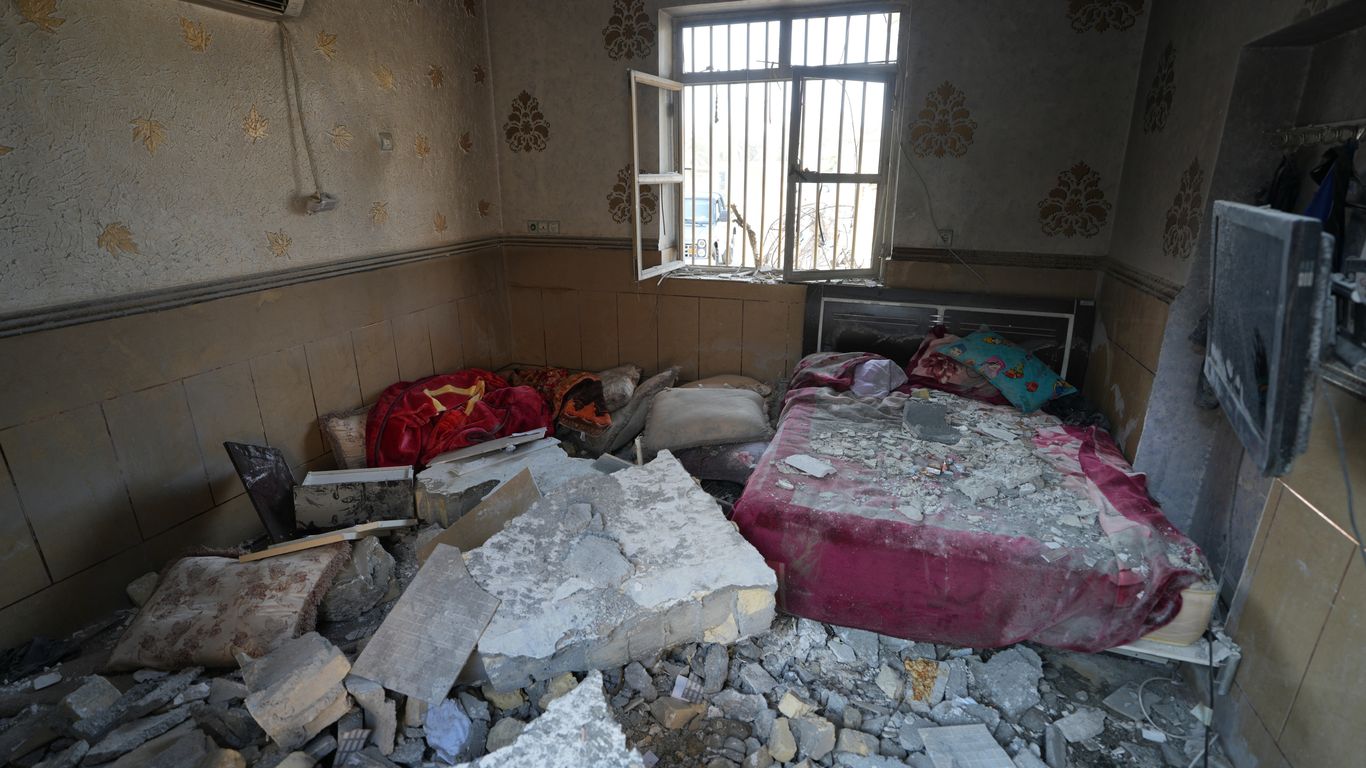
The outbreak of war often brings with it devastating consequences, especially for civilians caught in the crossfire. One of the most significant incidents occurred on the very first day of hostilities, sending shockwaves around the world. A U.S. airstrike targeted a school, a place typically seen as a sanctuary for children and educators alike. Tragically, this strike resulted in the deaths of 150 individuals, the majority of whom were innocent children. This heart-wrenching event not only underscored the immediate human cost of war but also ignited a global outcry for accountability and restraint in military operations, particularly in areas heavily populated by civilians.
In the wake of the attack, the U.S. military faced intense scrutiny regarding the precision and intelligence behind their operations. Critics argued that such strikes were indicative of a broader issue within military strategy, where the protection of non-combatants seemed to take a backseat to aggressive tactics. The incident raised questions about the protocols in place for targeting decisions and the measures taken to prevent civilian casualties. The tragic loss of life in the school highlighted the dire need for improved intelligence and more stringent rules of engagement, especially in regions where civilian populations are dense and vulnerable.
The emotional and psychological impact of the airstrike extended far beyond the immediate loss of life. Families were shattered, communities were left grieving, and the collective trauma of such an event rippled through society. Survivors and witnesses bore the heavy burden of their experiences, often struggling with the aftermath of violence that disrupted their lives. The incident also sparked discussions about the responsibilities of military powers in conflict zones, emphasizing the need for greater efforts to protect civilians. Advocacy groups began to rally for policy changes that would prioritize humanitarian considerations in military planning and execution.
Internationally, the airstrike at the school became a focal point for debates surrounding the ethics of warfare and the responsibilities of nations involved in armed conflict. It prompted calls for a reassessment of military engagements and a push for the implementation of international laws designed to safeguard civilian lives during wartime. The incident served as a grim reminder of the harsh realities of war and the crucial importance of striving for a balance between military objectives and humanitarian obligations. As the world reflected on the tragedy, it became increasingly clear that in order to prevent future calamities, a concerted effort towards peaceful resolution and conflict prevention must be prioritized by all parties involved.
U.S. military reviewing deadly strike on Iranian wedding - Axios