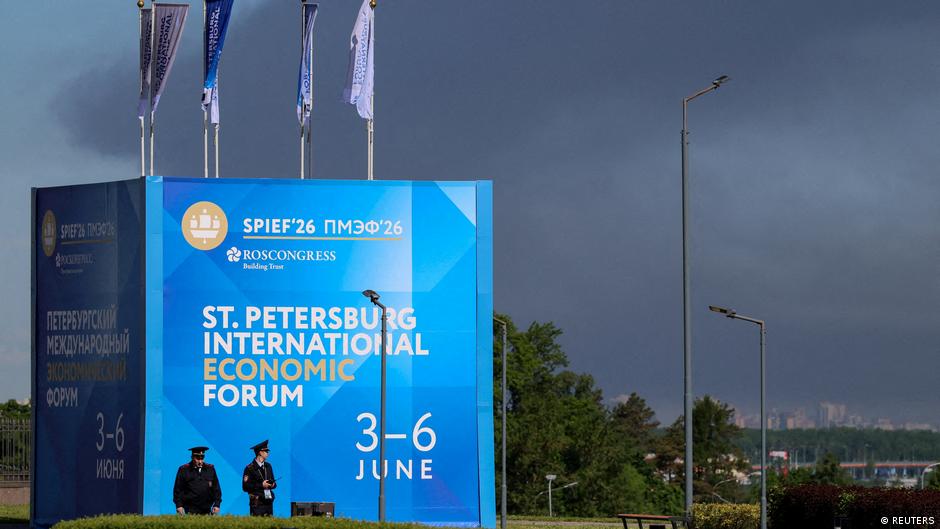
On Saturday, the Russian city of St. Petersburg experienced a significant escalation in conflict as it was subjected to a renewed barrage of long-range Ukrainian drones. This attack unfolded just as the International Economic Forum, a notable event attracting business leaders and political figures from around the globe, was drawing to a close. The timing of the drone strikes raised eyebrows, as they coincided with high-profile discussions on economic cooperation and investment opportunities in Russia. The city, known for its cultural heritage and as a hub of commerce, became the backdrop for this striking reminder of the ongoing tensions between Russia and Ukraine, highlighting the complexities and dangers of the geopolitical landscape in Eastern Europe.
Local authorities reported that the drones targeted key infrastructure and strategic sites within the city, causing alarm among residents and attendees of the forum. Alexander Drosdenko, the governor of the Leningrad region, spoke to the media about the incident, emphasizing the resilience of the city and its commitment to maintaining security amid the ongoing conflict. He described the swift response from emergency services and highlighted the importance of safeguarding the city's economic interests. The attack not only disrupted the forum's concluding sessions but also sent ripples of concern through the business community, many of whom were contemplating investments in Russia despite the prevailing instability.
The drone strikes represent a tactical shift in Ukraine’s approach to the conflict, showcasing its capability to reach deep into Russian territory. Analysts suggest that such operations are intended to disrupt Russian military logistics and demonstrate Ukraine's resolve to retaliate against perceived aggressions. This development could signal a new phase in the conflict, with potential implications for international relations and security strategies in the region. The use of drones also reflects the evolving nature of warfare, where technology plays an increasingly pivotal role in shaping the outcomes of military engagements. As both sides adapt to these technological advancements, the risks of escalation and miscalculation grow, raising concerns among NATO allies and global powers.
In the broader context, the drone strikes in St. Petersburg underscore the ongoing volatility in the region and the challenges faced by both nations as they navigate the intricacies of warfare and diplomacy. The International Economic Forum, which was initially intended to foster dialogue and collaboration, inadvertently became a focal point for the manifestation of the conflict. As world leaders and economists gathered to discuss future prospects, the stark reality of war intruded, forcing many to reconsider their positions on engagement with Russia. The situation remains fluid, with potential repercussions for global markets, energy supplies, and security alliances, as nations grapple with the balance between economic interests and the imperative of responding to aggression. As the dust settles on this latest incident, the world watches closely, anticipating the next moves in this high-stakes geopolitical chess game.
Ukraine hits St. Petersburg again after Putin rejects talks - DW