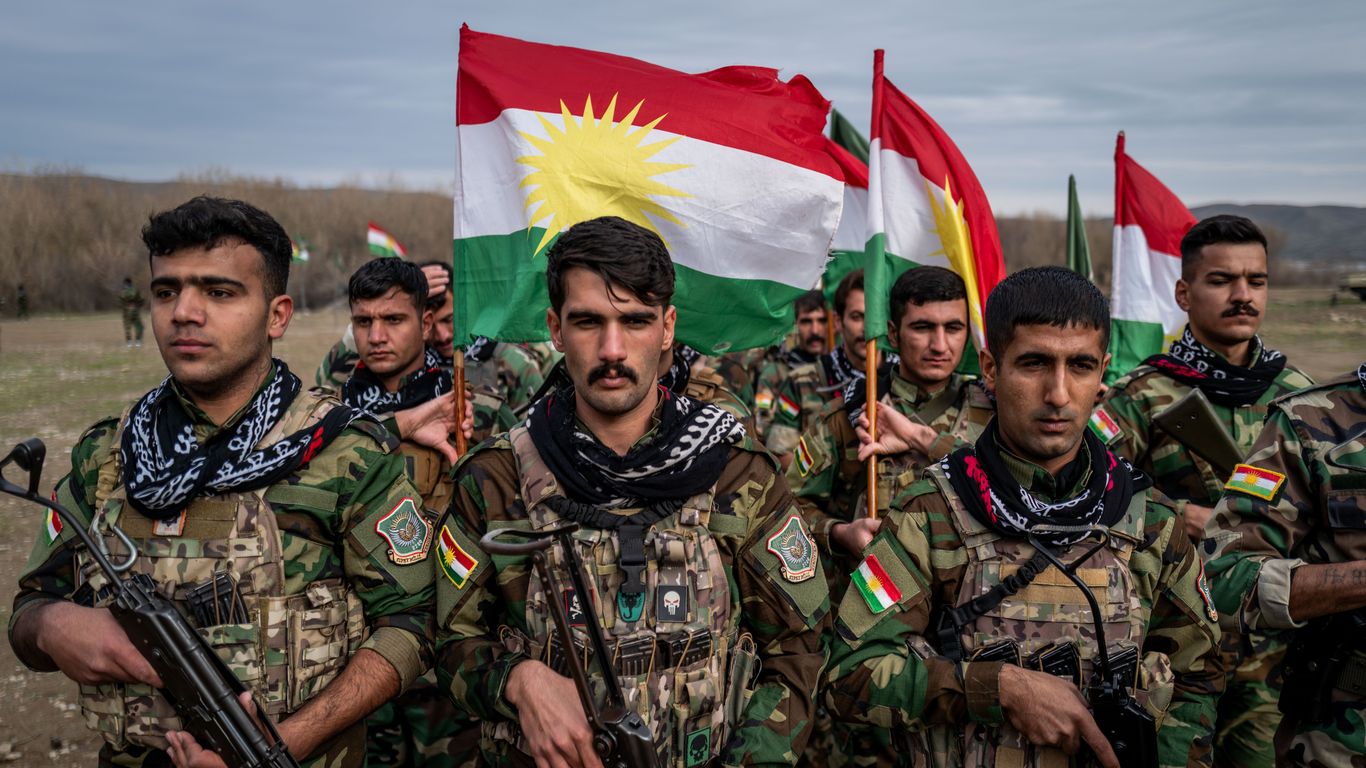
The statement from a senior official of the Kurdistan Regional Government (KRG) highlights a significant concern regarding the geopolitical dynamics in Iraq and the broader Middle East. The phrase "the Kurds must not be the tip of the spear in this conflict" underscores the KRG's apprehensions about being drawn into a larger conflict, potentially at the expense of their own interests and security. Historically, the Kurds have found themselves in precarious situations, often caught between regional powers such as Iraq, Turkey, and Iran. As a result, the KRG is cautious about taking on a frontline role in conflicts that could lead to devastating consequences for their population and their quest for autonomy.
The KRG has a complex relationship with both the Iraqi central government and neighboring countries, particularly Turkey and Iran, which have their own significant Kurdish populations. This multifaceted geopolitical landscape has often left the Kurds vulnerable, as they navigate the competing interests of these regional players. The KRG's pride in its governance and relative stability is juxtaposed against the backdrop of conflicts that have plagued Iraq for decades. The official's remarks can be seen as a call for greater recognition of Kurdish sovereignty and rights, emphasizing the need for the KRG to prioritize its own stability and governance over becoming embroiled in external conflicts.
Moreover, the Kurdish region has been a vital player in the fight against ISIS, contributing significantly to the coalition efforts that led to the territorial defeat of the terrorist group. However, the aftermath of the conflict has led to a complex security environment. While the KRG has gained international support for its role in combating terrorism, the lingering threats from various militant groups and the instability of the broader region continue to challenge Kurdish autonomy. The KRG's leadership is acutely aware that being perceived as a frontline force in ongoing conflicts could jeopardize the hard-won gains in governance and security, making the call for caution even more pressing.
In light of these challenges, the KRG is advocating for a more measured approach that prioritizes diplomatic solutions and regional stability. The official's comments reflect a desire for international partners to recognize the unique position of the Kurds in the broader geopolitical landscape and to provide support that reinforces their autonomy rather than placing them in harm's way. As the situation in Iraq and the surrounding regions evolves, the KRG's stance will be essential in shaping the future of Kurdish governance and their role within the complex interplay of Middle Eastern politics. The hope is that through careful navigation of these geopolitical waters, the Kurds can secure their rights and maintain peace in a region that has seen little of it.
Under threat, Iraqi Kurds resist pressure to join Iran war - Axios