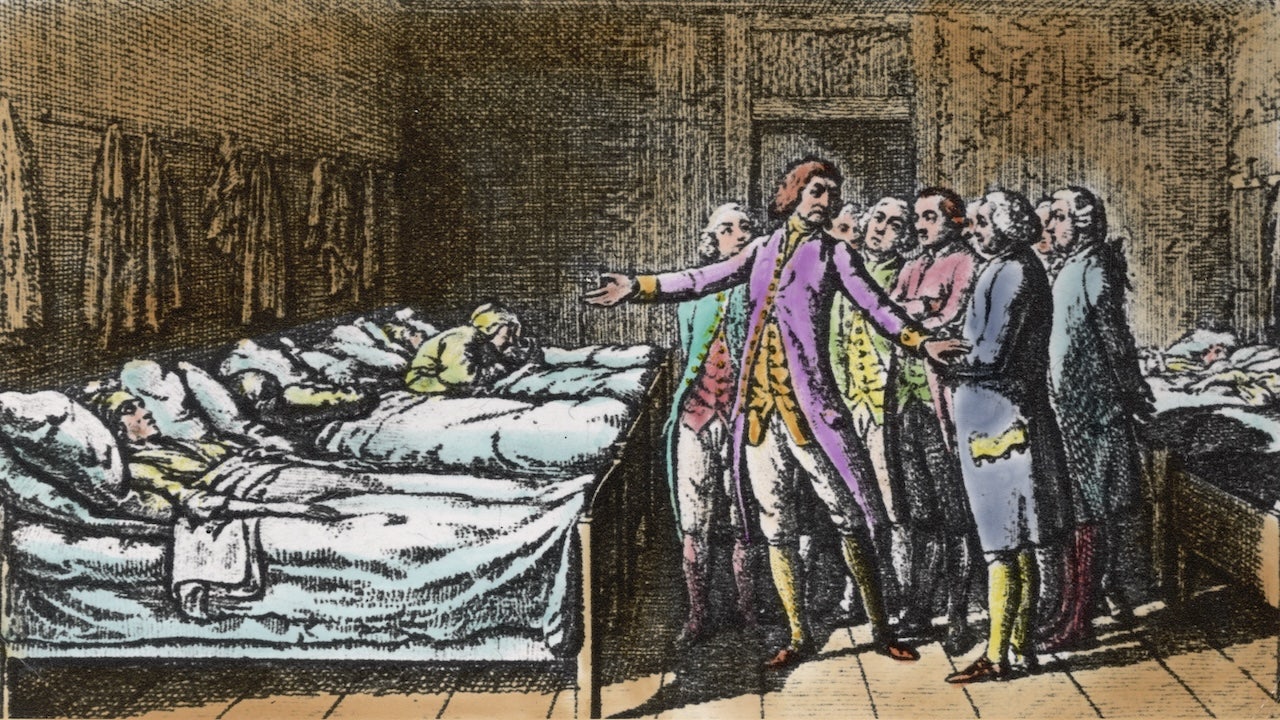
The leading causes of death in America have undergone a remarkable transformation since the nation's founding 250 years ago, reflecting significant advancements in medicine, public health, and living standards. In the 18th century, infectious diseases such as smallpox, tuberculosis, and cholera were rampant, claiming countless lives and leaving a profound impact on communities. The lack of understanding of these diseases, coupled with inadequate medical treatment and sanitation practices, meant that outbreaks could devastate populations with alarming speed. Communities were often ill-prepared to handle such health crises, and the mortality rates among infants and young children were particularly high, with many succumbing to diseases that are now preventable or treatable.
As America progressed into the 19th and 20th centuries, the development of vaccines and antibiotics marked a turning point in the fight against infectious diseases. The introduction of the smallpox vaccine in the late 18th century, followed by the widespread use of antibiotics like penicillin in the 20th century, significantly reduced mortality rates from bacterial infections. Public health campaigns focusing on sanitation, hygiene, and nutrition also played critical roles in combating disease. The establishment of health organizations and initiatives aimed at educating the public about disease prevention further contributed to the decline of infectious diseases as leading causes of death. As a result, Americans began to live longer, healthier lives, shifting the focus of healthcare from acute infectious diseases to chronic conditions.
In recent decades, the landscape of mortality has shifted even further, with chronic diseases such as heart disease, cancer, and diabetes now dominating the list of leading causes of death. This shift highlights the changing nature of health challenges in the United States, where lifestyle factors such as diet, physical inactivity, and tobacco use have become significant contributors to mortality. The rise of chronic diseases calls for a different approach to healthcare, emphasizing prevention, early detection, and management of these conditions. Innovations in medical technology, such as advanced imaging techniques, minimally invasive surgical procedures, and targeted therapies, have improved outcomes for many patients suffering from chronic illnesses, showcasing the ongoing evolution of medical practice.
Despite the tremendous progress made over the past 250 years, disparities in health outcomes remain a pressing concern. Access to healthcare services, socioeconomic status, and geographic location can significantly influence an individual’s health and life expectancy. Marginalized communities often face higher rates of chronic diseases and lower access to preventive care, underscoring the need for targeted public health initiatives and policy changes to address these inequalities. As we reflect on the dramatic changes in the leading causes of death, it becomes evident that while medicine has advanced significantly, continued efforts are necessary to ensure that all Americans can benefit from these advancements and lead healthier, longer lives.
What killed Americans in 1776? The answer is dramatically different from today - Fox News