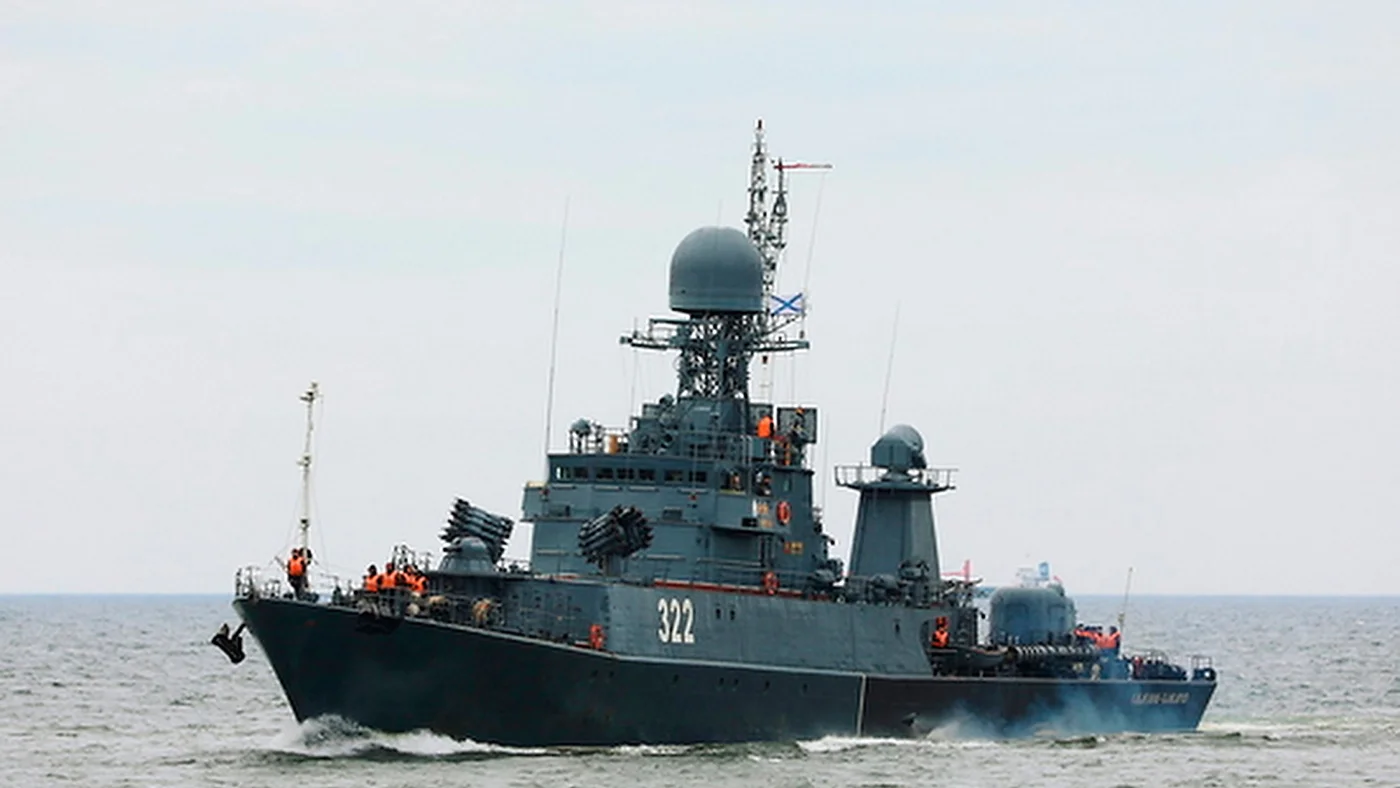
In a significant escalation of tensions in the region, Ukraine conducted a surprise attack on a Russian warship docked at a port in Libya, according to President Volodymyr Zelenskyy. This operation, which involved the use of advanced maritime drones, marks a notable shift in Ukraine's military strategy, showcasing its commitment to countering Russian naval power even beyond the confines of the Black Sea. The attack reflects Ukraine's growing capabilities in drone warfare, which has become a crucial element of its military operations since the onset of the conflict with Russia in 2022. Zelenskyy's announcement of the successful strike underscores the ongoing geopolitical complexities and the potential for further confrontations in international waters.
The choice of Libya as a location for this operation is particularly striking, given the longstanding instability in the country and its strategic importance in the Mediterranean region. Russia has historically maintained a presence in Libya, supporting various factions amid the civil conflict that has plagued the nation for years. By targeting a Russian warship in this North African nation, Ukraine may be signaling its willingness to extend its military reach and challenge Moscow's influence far from the traditional battlegrounds of Eastern Europe. This incident could also provoke a reaction from other nations in the region, potentially leading to an escalation of hostilities that could destabilize the already fragile situation in Libya and the broader Mediterranean area.
Furthermore, the incident raises questions about the effectiveness of international maritime laws and the protections afforded to vessels operating in conflict zones. The use of drones for naval strikes introduces a new dimension to maritime warfare, complicating the rules of engagement and the responsibilities of nations to ensure safe passage for all vessels. As countries grapple with these emerging technologies, the potential for miscalculations or unintended consequences grows. The attack on the Russian warship could set a precedent for future military actions in contested waters, prompting other nations to reassess their naval strategies and the security of their maritime assets.
In response to the attack, Moscow is likely to intensify its military posture in the region, potentially deploying additional naval assets to protect its interests. The Kremlin's reaction may also extend to diplomatic channels, as Russia seeks to rally support from its allies and condemn Ukraine's actions on the international stage. As the situation unfolds, it will be essential to monitor how this incident impacts the ongoing conflict between Ukraine and Russia, as well as the broader geopolitical landscape. The attack on the Russian warship signifies not only a tactical victory for Ukraine but also a critical moment that could redefine the dynamics of power in the Mediterranean and beyond.
Zelenskyy hails Ukraine's attack on a Russian warship docked at a naval base in Libya - NPR